 Sirphire
8GB RAM 256GB ROM 6000mAh Battery Mobile 5G – Best Options
Confused about which 8GB RAM 256GB ROM 6000mAh Battery Mobile 5G to buy? Our blog highlights the best...
4 months ago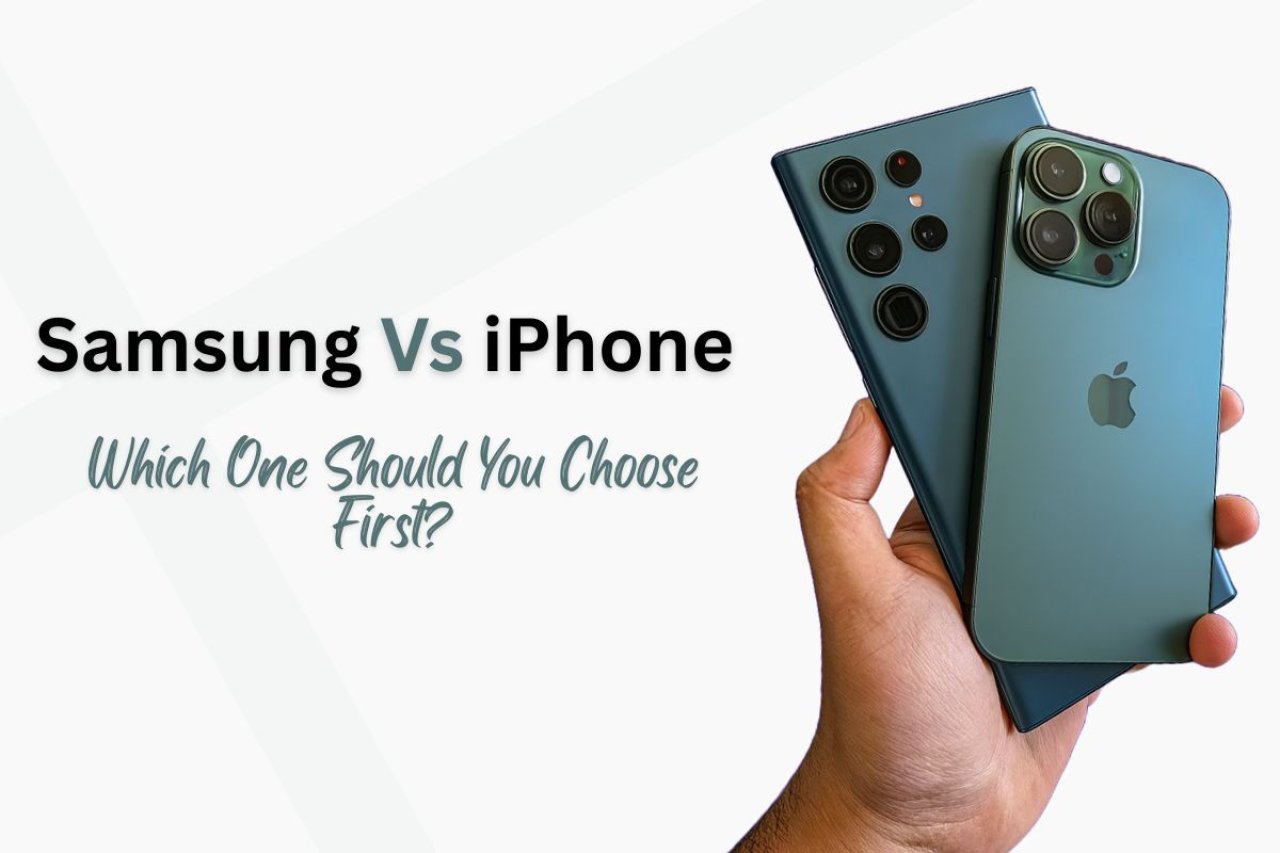
It's the showdown we tech lovers look forward to every year—which is better iphone or samsung?. These two giants never tire of pushing the boundaries with new designs, groundbreaking performance upgrades, and features that make you question everything you ever wanted in a phone. But here's the thing: we're not here to bore you with long specifications or throw confusing jargon at you. We're Sirphire, and we'll tell you in detail about the things that really matter when you pick these devices up and live with them every day. From actual performance to camera magic and how these phones feel in your hand, we get straight to the heart of what matters. So get ready—because this isn't just samsung and iphone comparison. This is the ultimate guide to finding out which of these tech giants truly deserves a place in your pocket.
Are you in a hurry and need the essentials for the iPhone vs. Samsung contest? Here's your analysis at a glance:
iPhone - Intuitive, reliable, and backed by a tightly connected ecosystem. It emphasizes privacy, long-term value, and that unique "seamless" user experience.
Samsung - A customization champion with a stunning display and powerful hardware. Expect plenty of flexibility, fast charging, and a feature-packed interface.
Operating System - Apple's iOS focuses on clean simplicity and security. Samsung's One UI on Android offers freedom, personalization, and control.
Camera - Both are excellent, but with different tastes. The iPhone leans toward balanced, realistic photos, while the Samsung offers vibrant colors and a wide range of shooting options.
The real choice - Choose the one that best suits your personality, habits, and the devices you already use.
Summary - There are no bad choices here. Both are premium phones that will last you for years with good protection.
Hardware & Performance - iPhones use custom A-series chips that are incredibly optimized, delivering powerful real-world performance even with less RAM. Samsung devices rely on Snapdragon or Exynos processors, offering strong multitasking thanks to higher RAM.
Rating: iPhone 4.5/5 · Samsung 4/5
Design & Build Quality - Apple sticks to premium materials like steel or titanium with highly consistent build quality and an IP68 rating. Samsung also uses premium materials and bold designs, though occasional quality control issues can appear.
Rating: 4.5/5
Display Technology - The iPhone’s Super Retina XDR OLED delivers sharp visuals and 120Hz on Pro models. Samsung leads the display game with its Dynamic AMOLED 2X panels, featuring higher brightness and superior resolution.
Rating: 4.5/5
Camera System - iPhones focus on balanced, natural-looking shots with excellent video quality. Samsung offers higher megapixel counts and more versatility, though consistency can vary.
Rating: 4.5/5
Operating System - iOS is known for simplicity, stability, security, and long-term software support. Samsung’s One UI on Android offers deep customization and rich features, with 7 years of updates promised.
Rating: 4.5/5
Battery Life & Charging - iPhones perform well but don’t lead the pack, with slower charging speeds. Samsung packs larger batteries and much faster charging options.
Rating: Samsung 4/5 & iPhone 3.5/5
Ecosystem Integration - Apple offers unmatched, seamless integration across its product lineup. Samsung connects well with its own devices and plays nicely within the Android/Windows ecosystem.
Rating: 4.5/5
Price & Value - iPhones come with premium pricing but hold value for longer. Samsung phones often depreciate faster but see frequent deals and promotions.
Rating: 3.5/5
Security & Privacy - Apple leads with strong privacy standards and consistent updates. Samsung’s Knox security is powerful but not as privacy-focused as Apple’s approach.
Rating: 4.5/5
Customer Support - Apple provides a highly consistent global support experience, though repairs can be costly. Samsung’s support varies by region but continues improving.
Rating: Samsung 3.5/5 & iPhone 4.5/5
Overall Verdict - iPhone: A polished, premium experience focused on consistency, quality, and ecosystem strength.
Overall Rating: 4.4/5
Samsung: Powerful, feature-packed devices built for customization and cutting-edge tech.
Overall Rating: 4.1/5
Samsung has secured its place at the top by being the tech world’s boldest hardware pioneer—always ready to push boundaries and experiment with ideas no one else would dare to try. They consistently deliver the best displays you can get on a smartphone, with brightness and color that feel almost unreal. Samsung practically willed the foldable phone category into existence, shaping an entirely new era of mobile design. Their cameras boast serious hardware power too, from massive megapixel sensors to incredibly flexible zoom options. On the software side, One UI is a feature-packed playground built for users who love personalizing every detail. And if you’re wondering, “Is Samsung better than Apple?” — when it comes to hardware innovation, the answer is often yes. Samsung is the brand that shows up every year with something new, something daring, and something that pushes the whole industry forward.
iphone or samsung which is best? The real answer depends on what kind of user you are and what you value most in a smartphone. If you want a polished, seamless experience with top-tier privacy, effortless performance, and unbeatable ecosystem integration, the iPhone is hard to beat. But if you’re someone who loves customization, cutting-edge hardware, stunning displays, and getting the most flexibility out of your device, Samsung stands out as the powerhouse innovator. Both brands deliver premium phones that excel in different ways, and neither choice is truly wrong. It ultimately comes down to your personal style, the features you care about, and the tech ecosystem you already use. With the right model—and the right protection—either one will serve you well for years to come.
Confused about which 8GB RAM 256GB ROM 6000mAh Battery Mobile 5G to buy? Our blog highlights the best...
4 months agoLet’s start with OnePlus Nord CE 3 Lite specifications, including display, price, and full review in...
7 months agoLooking for the best Samsung Galaxy smartphone under ₹20,000? Explore top-rated models offering great...
6 months ago