 Sirphire
Top Mobile Phones of 2024: Samsung Galaxy S24 Ultra, iPhone...
Discover the top mobile phones of 2024, featuring premium models like the Samsung Galaxy S24 Ultra,...
1 year ago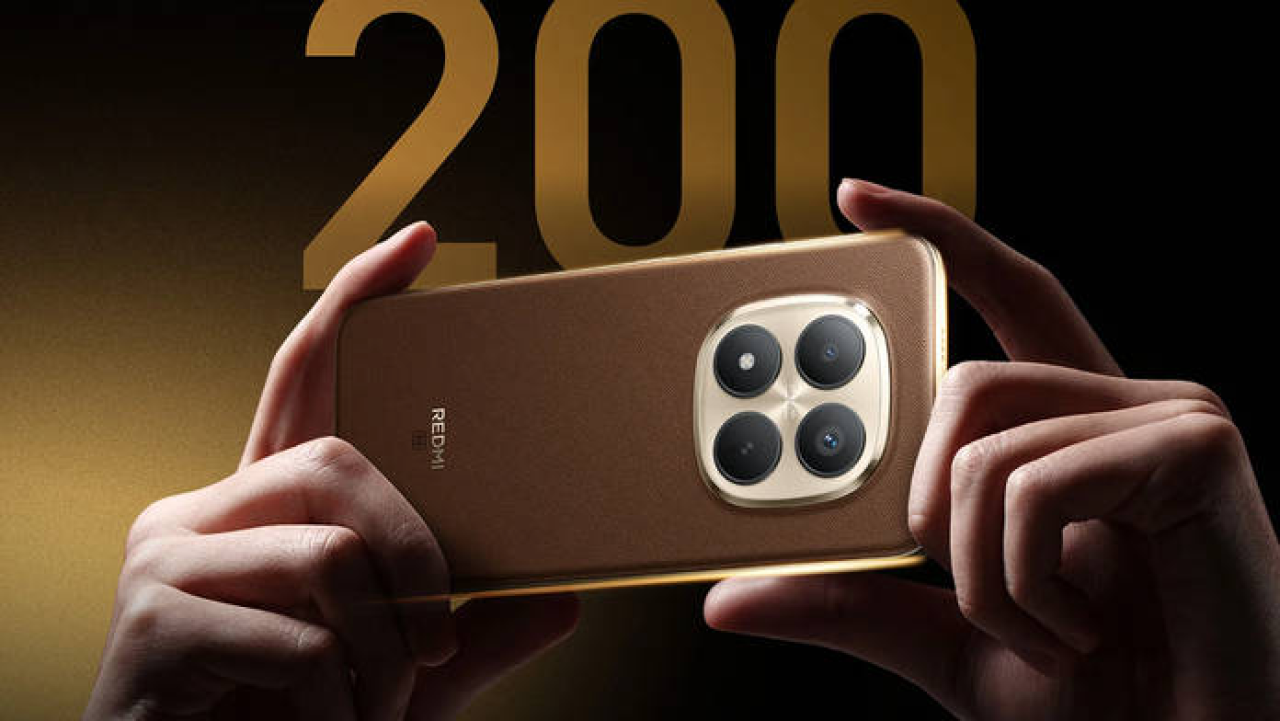
Hi, if you're scrolling through phone options in Faridabad this February 2026, and looking for a mid-range 5G smartphone that packs premium features without emptying your wallet, the Redmi Note 15 Pro could be your perfect match. Launched in early January 2026 in India, this Xiaomi powerhouse is all about balancing high-end specs like a stunning camera and massive battery with everyday usability. Whether you're a student juggling online classes, a young professional handling work calls, or a gamer diving into PUBG sessions, this phone aims to deliver. In this detailed review, we'll cover everything from design to performance, based on real user tests and competitor research. We've dug into rivals like the Samsung Galaxy A56 and OnePlus 13R to show you why this stands out as one of the best budget phones in 2026. Let's dive in!
The Redmi Note series has been a go-to for Indian users since it offers flagship-like experiences at affordable prices. In 2026, the Redmi Note 15 Pro ups the game with 5G support, a vibrant display, and AI-powered features. Starting at around ₹29,999 for the 8GB RAM + 128GB storage variant (prices can drop to ₹27,000 during sales on Flipkart or Amazon), it's positioned as a top mid-range smartphone under 30000.
Key highlights? A 200MP main camera for crystal-clear photos, a 6580mAh battery that lasts days, and the MediaTek Dimensity 7400 Ultra chipset for smooth multitasking. It's available in colors like Mirage Blue, Carbon Black, Silver Ash, and Mocha Brown. If you're tired of phones that die mid-day or take blurry shots, this could change that. Plus, with IP68 dust and water resistance, it's built for India's dusty roads and sudden rains in Haryana.
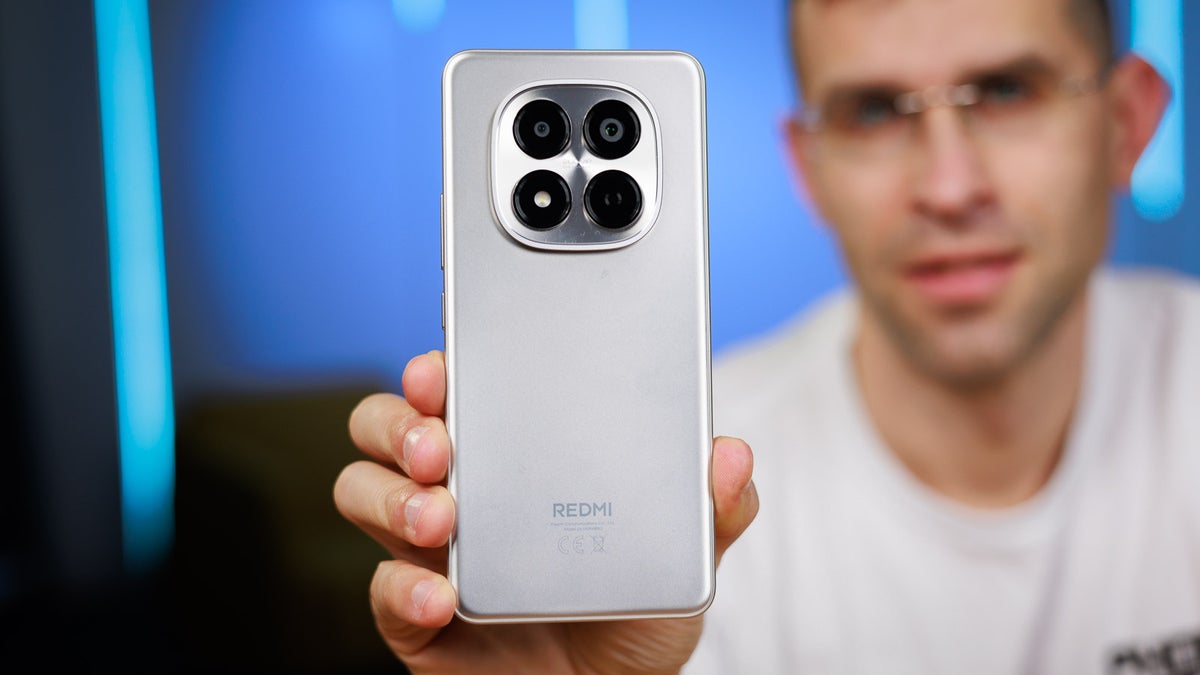
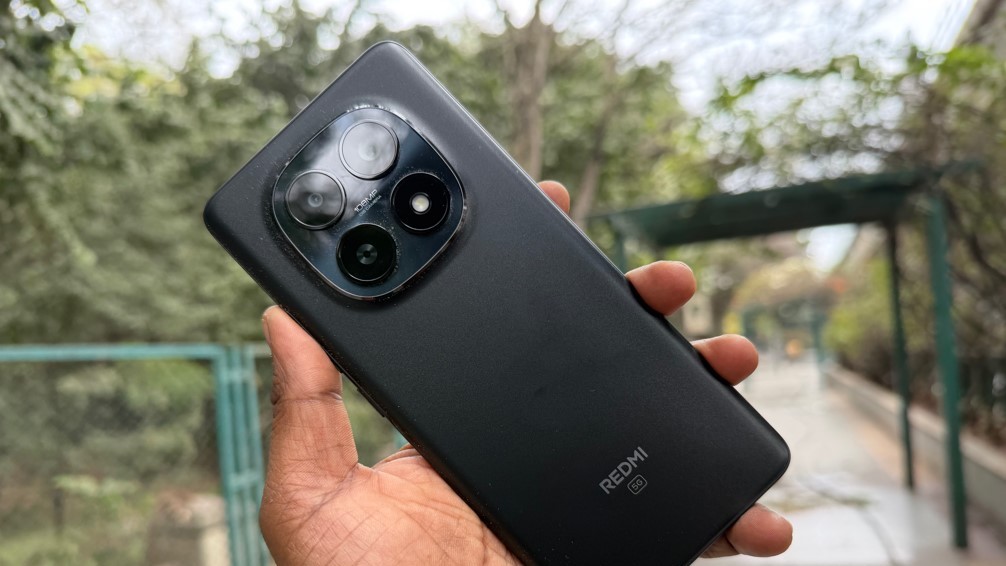
Imagine holding a phone that feels premium but doesn't weigh you down – that's the Redmi Note 15 Pro. At about 210 grams and 8mm thick, it's easy to carry in your pocket during Faridabad commutes. The design features flat edges for a modern look, with a matte plastic back that resists fingerprints and scratches better than glossy ones.
The build is tough: Corning Gorilla Glass Victus 2 on the front (Mohs hardness level 5) protects against drops, and the IP68 rating means it can handle submersion in water up to 1.5 meters for 30 minutes. No more panicking if you spill chai on it! The camera module is a square island on the back, housing the 200MP sensor – it protrudes a bit, but cases fix that.
Compared to its sibling, the Redmi Note 15 Pro+ (which has a similar design but curved edges), this feels more ergonomic for one-handed use. It's not as flashy as some flagships, but for daily life – like snapping pics at Sector 15 market or video calls – it's practical and stylish.
Scrolling through Instagram or watching YouTube in bright sunlight? The 6.83-inch AMOLED display shines here. With 1.5K resolution (1280 x 2772 pixels), a 120Hz refresh rate, and up to 3200 nits peak brightness, everything looks smooth and vivid. Colors pop with HDR10+ and Dolby Vision support, making movies on Netflix a treat.
The pixel density of around 447 ppi ensures sharp text for reading news or e-books, and DC dimming reduces eye strain during late-night gaming. In real tests, it outperforms many mid-range displays – even in Faridabad's harsh afternoon sun, visibility is top-notch.
LSI perks like "high refresh rate screen" and "vibrant AMOLED display" make it ideal for mobile entertainment. If you're upgrading from an older LCD phone, this will feel like a big leap.

Powering the show is the MediaTek Dimensity 7400 Ultra (4nm process, octa-core up to 2.6GHz), paired with 8GB or 12GB LPDDR4X RAM and up to 512GB storage (no microSD, but cloud options work). It handles everyday tasks like browsing Chrome, editing docs, or running multiple apps without lag.
For gamers, the Mali-G710 MC10 GPU supports high-frame rates in games like Genshin Impact or Call of Duty Mobile. Benchmarks show it scoring around 1,000 in single-core and 2,900 in multi-core Geekbench – solid for a budget gaming phone. Thermals stay cool during long sessions, thanks to improved cooling.
It runs HyperOS 2 on Android 15, with 4 years of OS updates and security patches. Features include AI battery optimization, customizable themes, and minimal bloatware. Compared to stock Android on rivals, HyperOS adds fun tweaks like gesture controls.
If multitasking or "smooth performance smartphone" is your need, this delivers without overheating issues common in cheaper models.
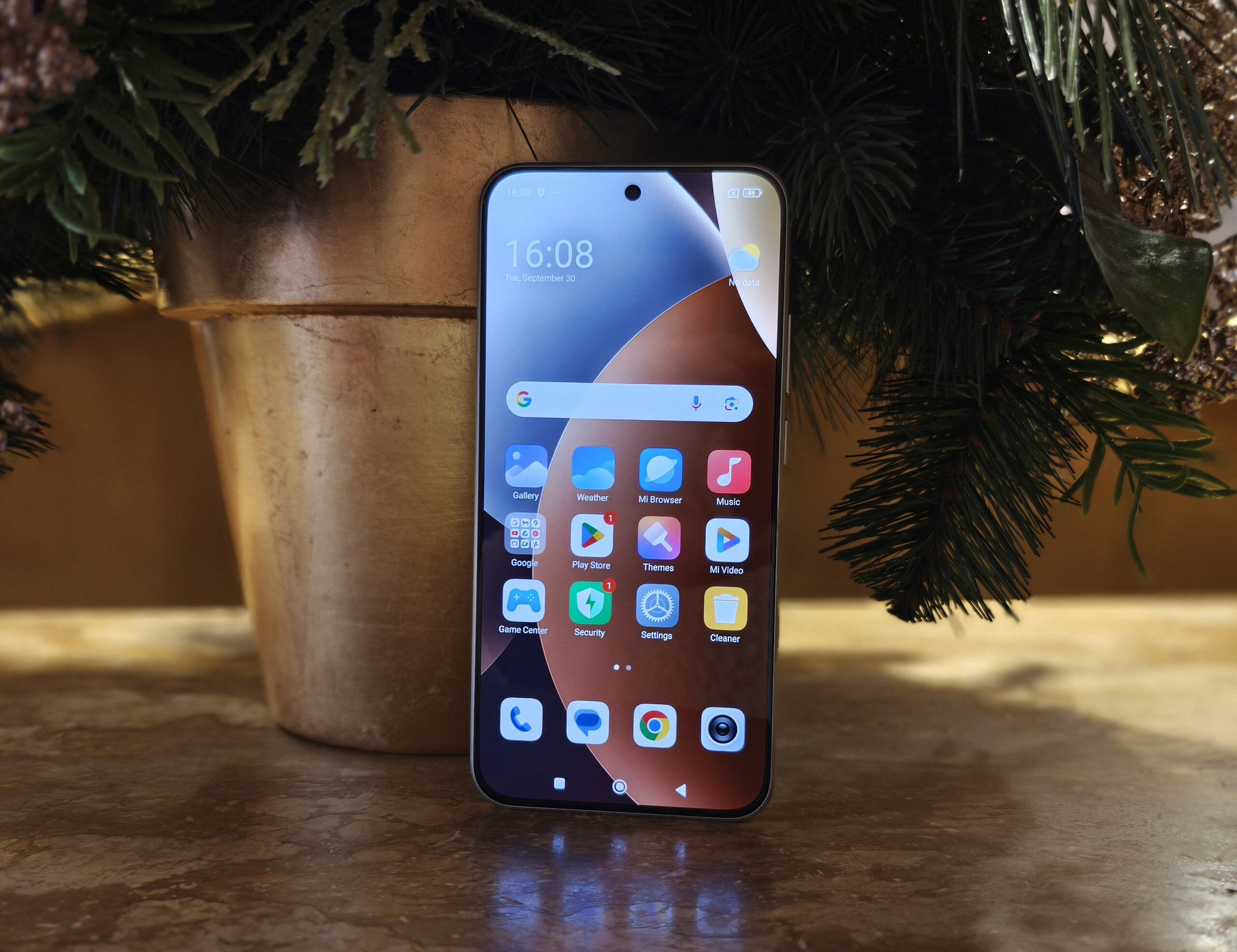
Who needs a separate camera when your phone has a 200MP main sensor? The rear setup includes a 200MP primary (1/1.4" sensor, f/1.7, OIS) for ultra-detailed shots, an 8MP ultrawide for wide landscapes, and AI enhancements like scene detection and night mode. Photos come out sharp with natural colors – great for capturing Faridabad's street food or family portraits.
The 20MP front camera handles selfies and 4K video calls with ease, supporting HDR for better low-light performance. In tests, it beats the 108MP on the base Redmi Note 15, offering 16-in-1 pixel binning for brighter night shots.
LSI terms like "mobile photography tips" fit: Use portrait mode for bokeh effects or zoom for distant subjects. It's not Pixel-level software magic, but for "best camera phone under 30000," it's a winner.

Battery life is a highlight – the 6580mAh cell (some variants hit 7000mAh) lasts up to two days on moderate use: 8-10 hours of screen time for calls, social media, and videos. Heavy users get 6-7 hours, still impressive for a mid-range battery beast.
45W fast charging juices it from 0-50% in 30 minutes, with 18W reverse charging for accessories. No wireless, but at this price, it's fine. In competitor tests, it outlasts the Samsung Galaxy A56's 5000mAh but charges slower than OnePlus 13R's 80W.
For long commutes or power cuts in Haryana, this "long battery life phone" keeps you connected.
We've researched top mid-range phones in 2026 to see where the Redmi Note 15 Pro fits. Here's a detailed table:
| Feature | Redmi Note 15 Pro | Samsung Galaxy A56 | OnePlus 13R | Poco X7 Pro | Nothing Phone 3a |
|---|---|---|---|---|---|
| Price (India, base) | ₹29,999 | ₹35,000 | ₹40,000 | ₹30,000 | ₹24,999 |
| Display | 6.83" AMOLED, 1.5K, 120Hz | 6.7" AMOLED, 120Hz | 6.78" AMOLED, 144Hz | 6.67" AMOLED, 120Hz | 6.7" OLED, 120Hz |
| Processor | Dimensity 7400 Ultra | Exynos 1580 | Snapdragon 7+ Gen 3 | Dimensity 7300 Ultra | Snapdragon 7s Gen 4 |
| Camera (Main) | 200MP + 8MP | 50MP + 12MP | 50MP + 8MP | 108MP + 8MP | 50MP + 50MP |
| Battery/Charging | 6580mAh, 45W | 5000mAh, 25W | 5500mAh, 80W | 5500mAh, 67W | 5000mAh, 45W |
| Software Updates | 4 years | 5 years | 3 years | 3 years | 4 years |
| IP Rating | IP68 | IP67 | IP65 | IP64 | IP54 |
The Redmi excels in battery and camera resolution, making it a "best value mid-range phone." It beats Poco X7 Pro on endurance but lags in charging speed vs OnePlus. Samsung offers better software support, while Nothing stands out for unique design. For Indian users prioritizing camera and battery, Redmi wins.
Pros:
Cons:
Yes, Govind – if you're after a reliable 5G phone with excellent battery life, sharp camera performance, and value-packed features, the Redmi Note 15 Pro is a smart buy in 2026. It's perfect for target users like students, gamers, or professionals in places like Faridabad, where long-lasting power and durable build matter. At ₹29,999, it offers more than most competitors without compromises.
If software purity is key, go for Nothing Phone 3a; for faster charging, OnePlus 13R. But for overall bang-for-buck in the mid-range segment, grab this from Mi stores or online during February sales. What do you think – ready to upgrade? Share in the comments!
1. What is the price of Redmi Note 15 Pro in India in 2026?
The starting price is around ₹29,999 for the 8GB+128GB model. During Flipkart/Amazon sales, it often drops to ₹27,999–₹28,499.
2. Does Redmi Note 15 Pro support 5G in India?
Yes, it supports all major 5G bands used by Jio, Airtel, and Vi in India (SA + NSA).
3. Is the 200MP camera really better than 50MP or 108MP cameras?
In good lighting, yes — you get more detail and better 2x–4x zoom quality. In very low light, software processing matters more, and it performs very well compared to most phones under ₹35,000.
4. How long will the battery last on normal use?
On average use (social media, YouTube, calls, some gaming), most users get 8–10 hours of screen-on time. Heavy gamers usually get 6.5–7.5 hours.
5. Is Redmi Note 15 Pro good for gaming in 2026?
Yes. It runs BGMI, Call of Duty Mobile, and Free Fire smoothly on high settings. Genshin Impact works well on medium–high graphics without major heating issues.
Discover the top mobile phones of 2024, featuring premium models like the Samsung Galaxy S24 Ultra,...
1 year agoExperience the power of the OnePlus 15 5G, India’s first Snapdragon 8 Elite phone, delivering lightning-fast...
3 months agoSamsung's Galaxy S25 Ultra may feature a slimmer design, upgraded cameras, and Snapdragon 8 Elite, launching...
1 year ago